
One of the biggest things that impacts development scope is:
How much work are you imagining is default?
Development scope is a part of the design.
And as with all design, everything is a choice.
You don’t need complex UI, you don’t need adaptive music, you don’t need to develop for every platform, you don’t need to market on every social media platform.
But deeper than that, think about the strengths of your team and design around them:
No animators: make something with less animations or code-based effects, like a deck builder, or a strategy game, or an idle game.
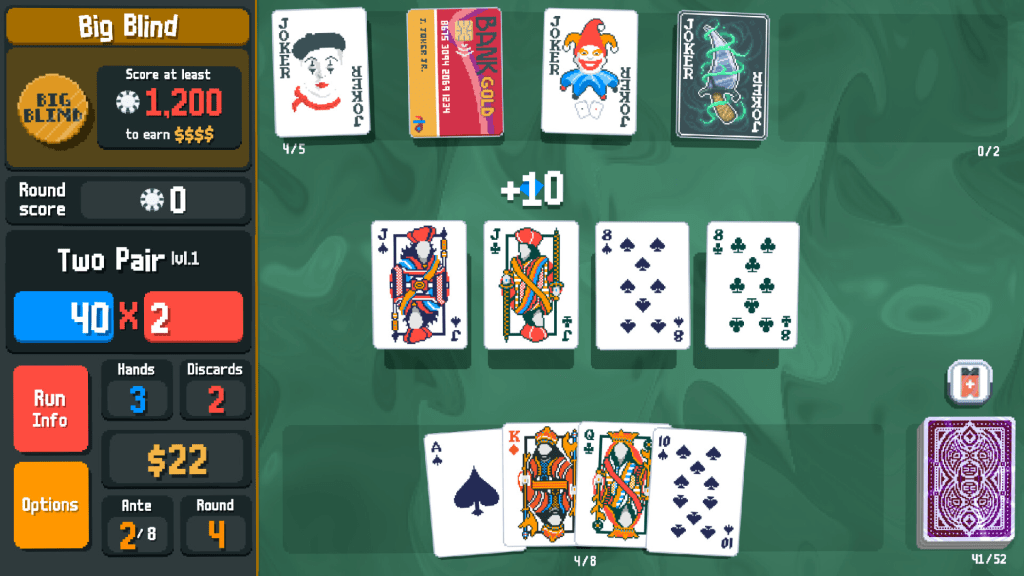
Lots of artists but no programmer: make something that calls for lots of art but uses boilerplate code, like a visual novel, or a rpg maker game.

Only one developer: Try to make something that requires as few assets as possible.
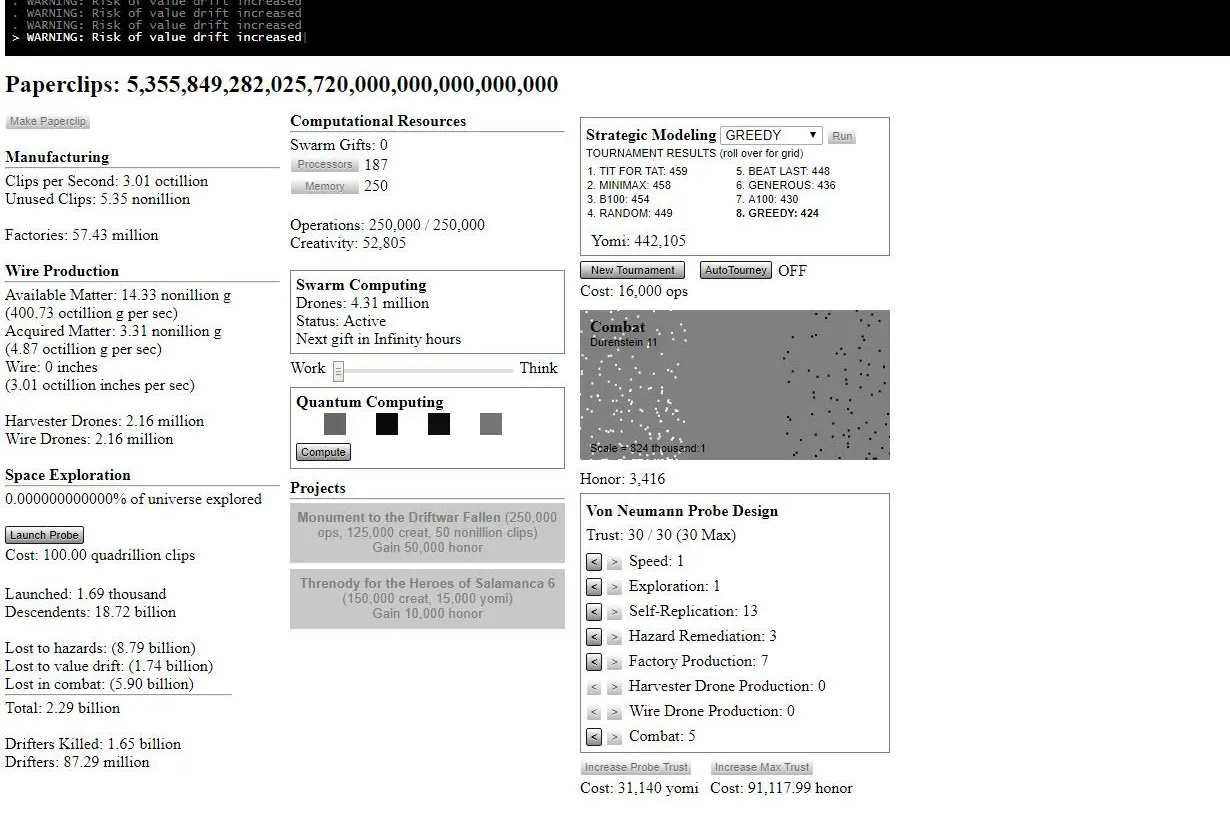
Boil down your design to its core experience.
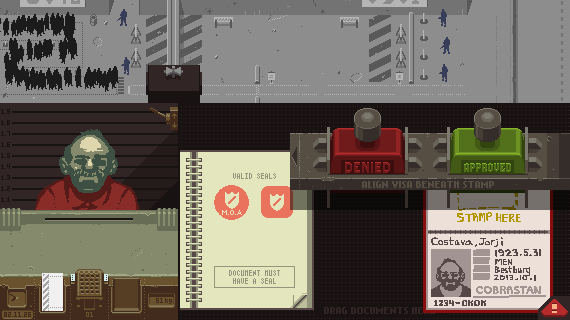
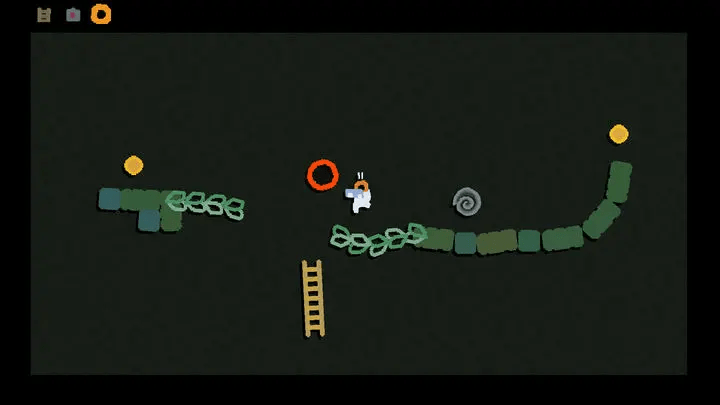
Think about single-screen games like Papers Please. Or simple platformers like Dadish. Or Lethal Company, which ditches a bunch of “default” game elements to focus on the core comedy-horror experience.
The extra stuff, the “default” elements, often doesn’t increase the quality of the game to a level commensurate to the extra work and resources it costs.
Does the game need dialogue, does it need multiple levels (or screens), does it need a HUD, or saves, or options, does it need animations, or textures, or art, does it need code?
You don’t need to do anything. It doesn’t matter if it is a staple of the genre. Or a staple of games as a whole.
Everything that doesn’t emerge from the earth or fall from the sky was a design choice by a person.
There is no such thing as a default game element.
 Tex Barnes
One thought on “Default Work”