
Ok lets do a writing exercise:
The traveller came upon a river, and, believing greatly in their strength, waded deep into the water. But they had misjudged the river, as the water ran deep and fast, casting them tumbling far downstream. Thinking, quick as they were able, the traveller cast out their arm and caught hold of a low hanging vine, pulling themselves back to the shore.
Though no longer tumbling, they were now damp and far downstream of their path, and still blocked by an accursed river.
They sat and peered out over the water, suddenly spying a small boat nestled in the bushes. Jumping to their feet they grabbed hold of the vine which had just been their salvation, and, using their trusty pen-knife, loosened it from the tree.
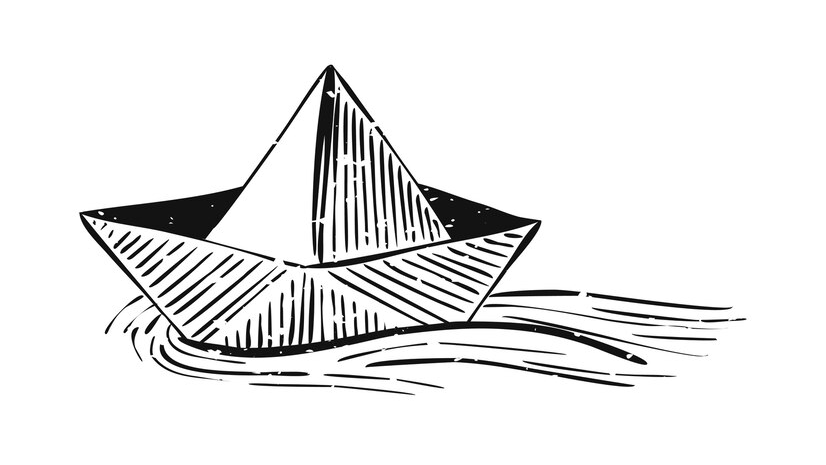
Now, damp but in possession of a rope, they tied a large rock to one end and gently cast it across the river. This first throw proved too gentle, and fell with a splash into the water. Undeterred they pulled back the vine and this time threw with great force. Alas, this throw went too far, burying into the bushes, and requiring a great tug to retrieve. Growing weary, they took careful aim, and threw the rope to land perfectly in the boat. With the last of their patience they eased the boat gently from the bushes and across the river.
Now, separating ourselves from the subjective quality of the writing, what do we notice about this story. For me it is Agency. Not that the character is in complete control of their life, but that they act and react in ways that make logical sense for the character. The world may present obstacles, or foil our hero’s actions, but the character can take this into account and make meaningful decisions.
Now lets try a different style:
The wee traveller sat by the river, and crossing their legs began to sew twine into small shirts with a hole in the back. Now as they sew they sang, and their sorrowful song carried across the river that in time a school of passing fish would dip their heads from the water and say
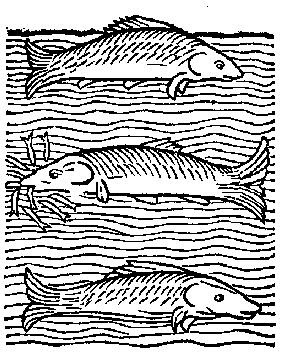
“pray tell, little seamstress, what great sorrow befalls you that you would sit cross legged by the river and sew and sing such a song of woe?”
“Why, little river fish, I was travelling to the far kingdom, and my way was blocked by this great river.”
“Well”, said the fish, “we could carry thee across, but our skin is scaly and you would surely slip from our backs”
“aha”, said the traveller, “I have been here asat, sewing these little shirts of twine, with a hole in the back that your fins might fit snug, and I could grasp the shirts quite well!”
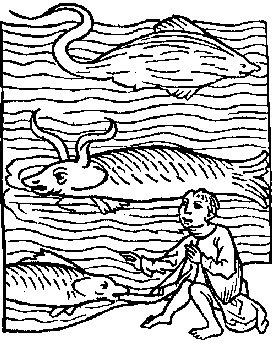
Ok, that’s the end of this bit, you can imagine they then went on to slay the king or whatever.
The point is, why did they do any of that? This character sits by the water, sings a song and sews some fish-shirts and a school of fish does appear and help them, but their reasoning is never explained.
This isn’t a lack of agency in the traditional sense. Our protagonist makes choices, seems in control of their life, but they aren’t acting or reacting to the world.
Rather, This character acts as an Agent of the Narrative. The story should involve them riding some fish, and so they do whatever it takes to make that happen, regardless of their personal character.
This is how most folklore is written.
Think about Cinderella, right, who is told to dust and clean, but then a magical woman gives her a Carriage which takes her to the castle, cause that’s where she needs to be. She loses a slipper and prince charming compares foot sizes, cause that’s an interesting thing for him to do, it doesn’t need to be logical, or make sense for the character. His eyesight is 20-20, and saw her face, but the story wants the guy to compare feet, and so he does.

In this context characters are part of the overall set of gears involved in delivering the intended Aesthetic Experience of the story. It’s not about building character, it’s about a narrative built on whimsy and fantasy, where characters make choices that build an overall rhythm.
What is Good Writing?
Ultimately I’m not here to say that one way is better than the other. Obviously the more modern form of writing is good, right. I like a character driven narrative, I like a story where the plot feels realistic and visceral. But I also find a unique rhythm to the fairy tale structure. It makes it feel fantastical, and places attention on the sounds and emotional experience of language.
Just to be clear though, I’m not really trained as a writer. This is just from my observations reading fiction and folklore, and as a narrative designer in games . I’m sure there’s some technical term for the thing I’m talking about, and I’d love to learn more if you know about it!
Final Note
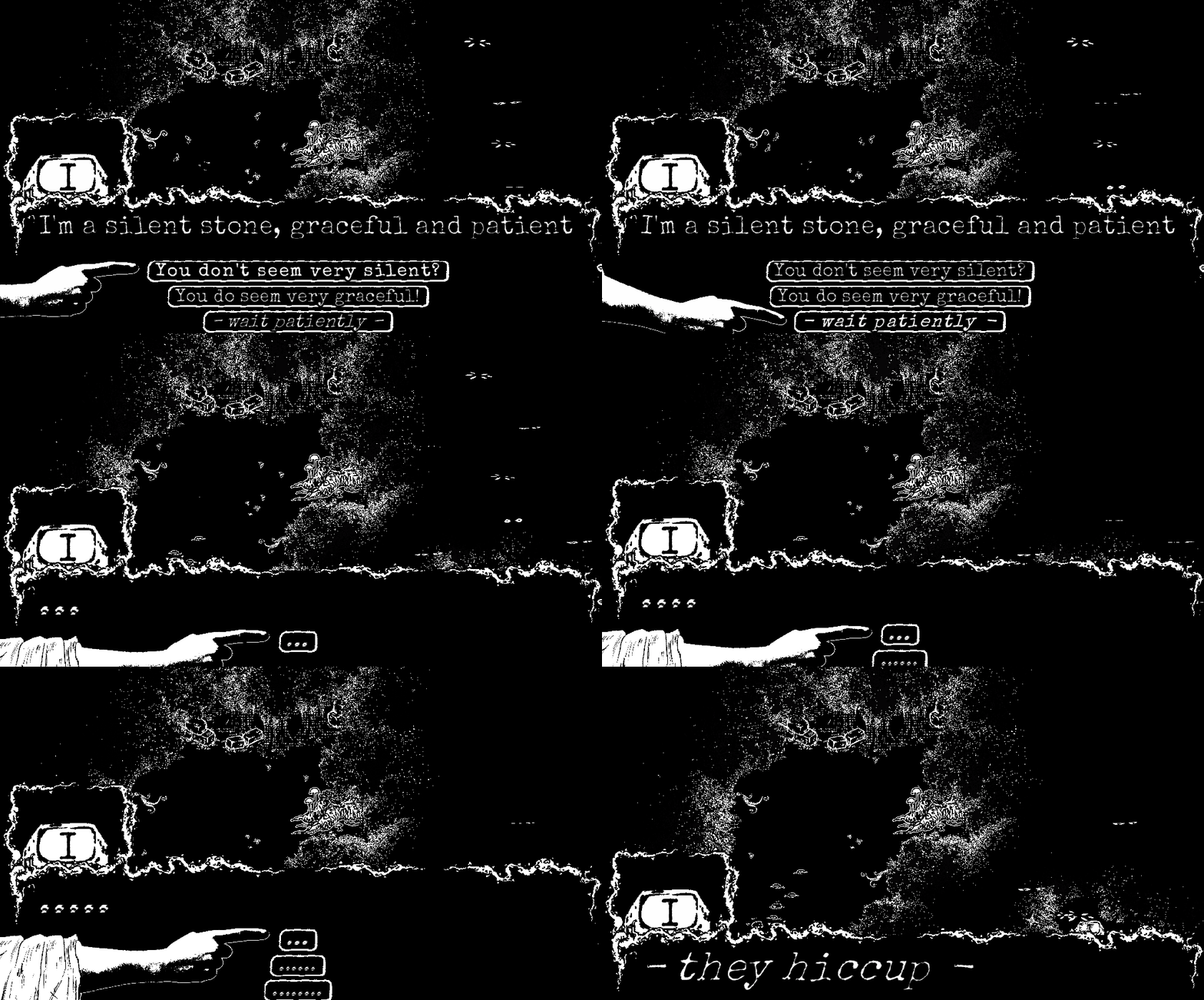
A lot of this is coming from my experience writing for the game Key Fairy. I’ve been trying to design it so that dialogue feels more like one of the background instruments of the overall narrative. In this context dialogue options are not designed to drive character or plot, but are instead used to develop a rhythm of conversation, and an overall experience of whimsy.
 Tex Barnes
One thought on “Character as Agent of the Narrative”